Dosing Pump Features That Actually Matter
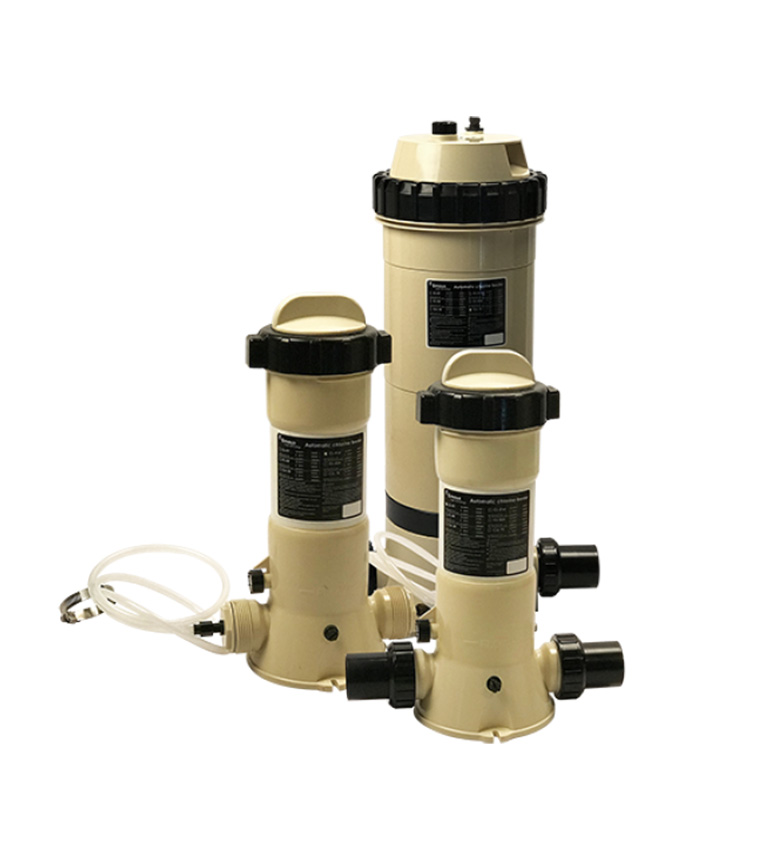
You have a job that wants perfect results. A little too much or too little of a chemical, and the whole process is off. This is where a dosing pump becomes your best friend. But with so many options, how do you pick the right one?
Forget the confusing sales talk. Let’s look at the features that make a real difference in your day.
Flow rate adjustment:
Think of this as the volume knob on your dosing pump. A wide flow rate range means you can set it to add a tiny trickle or a steady stream. This flexibility is vital. Your necessities can change, and a pump that adjusts easily means you are always ready. Look for one that lets you change the flow with a simple turn of a dial.
Repeatable accuracy:
What good is a pump if it is not consistent? Accuracy means it delivers the exact same amount, every single time. This is the most important job of the pump. It keeps your water safe, your product consistent, and saves you money on chemicals. A number like ±1% accuracy is a good sign of a reliable pump.
Construction materials:
The pump parts touch strong chemicals every day. If they are made from the wrong plastic or metal, they will wear out fast. Look for pumps made with tough materials. Plastics that resist corrosion and stainless-steel parts are common. The right materials stop leaks and breakdowns, making the pump last much longer.
Easy calibration:
You should not want a manual to set up your pump. A simple calibration process saves time and prevents mistakes. The best pumps have a clear display and easy buttons. You can quickly check the flow rate and make adjustments without any guesswork.
Simple maintenance:
All machines want a little care. A good dosing pump is designed to be maintained without hassle. Look for features like a simple head that you can take apart with no tools. Easy access to parts like valves and seals means less downtime when you do routine checks.
Alerts and protection:
A smart pump watches out for trouble. It can tell you if something is wrong. Look for features that warn you about a blocked line or an empty chemical tank. Some pumps even stop themselves if the pressure gets too high. These features prevent damage and keep your process safe.